
TigerTag

Purpose
Section titled “Purpose”TigerTag gives every spool a memory of its own. A small NFC chip holds everything about the filament — brand, material, color, how it likes to be printed — so you never have to guess, label or remember. Tap it with your phone and the spool tells you itself.
 The open chip specification
Technically, it is the heart of the ecosystem: an open RFID standard, readable by any compatible app or reader — no vendor lock, no secret format.
Where it sits
Section titled “Where it sits”
flowchart LR
  TAG["TigerTag chip<br/>on every spool"] -- "tap" --> CO["Connect"]
  TAG -- "scan" --> RD["TigerPOD / ACR122U"] --> ST["Tiger Studio"]
  CO & ST <--> CLOUD[("Your TigerSystem account<br/>(Firebase)")]
  ST -- "filament data" --> PRN["Printers"]
Features
Section titled “Features”- Standard NTAG213 / 215 / 216 chip (25 mm round recommended), 144-byte open NDEF payload — sized to fit the smallest NTAG213; no keys, no lock-in.
- Two chips per spool, on opposite sides — one always faces the reader (printer slot, AMS, phone in hand) and each backs the other up (why).
- Identity resolved against the shared reference database.
- Writable and rewritable — enables the Second Life workflow; official branded chips ship as NTAG215 so the chip itself can be reused as a plain NDEF object (keychain, business card…) once the spool is empty — never e-waste.
- Readable by any NFC smartphone, ACR122U readers and TigerPOD.
- A reserved 64-byte area (pages
0x18–0x27, leaving 80 bytes of data): free for community add-on functions on a standard TigerTag; carries the origin signature — 32 bytes ofR, 32 ofS— on a TigerTag+.
Architecture
Section titled “Architecture”See The TigerTag chip for the format summary and TigerTag-RFID-Guide for the canonical byte-level specification.
Interactions
Section titled “Interactions”| With | How |
|---|---|
| Tiger NFC Connect | NFC tap: read, encode |
| Tiger Studio | Reader scan auto-opens the spool; guided chip update |
| SDKs | Parse / verify / encode from JS or Python |
| Printers | Indirectly — via the smartphone bridge and Studio’s printer links |
In pictures
Section titled “In pictures”
Naming note: standard chips were formerly sold as “TigerTag Maker” — the name is now simply TigerTag.
The official chips, and everyone else’s
Section titled “The official chips, and everyone else’s”TigerSystem manufactures the official chips and puts the TigerTag logo on them. They come in two form factors, and both ship blank:
| Form factor | For |
|---|---|
| Sticker | any spool you already own — one on each side (why two) |
| Refill carrier | filament refills with a cardboard core: one carrier already carries both chips, it sits inside the core before the refill goes on a reusable masterspool, so the chip travels with the filament, not the reel |
Who may say what, when a chip is for sale:
| Who | What they are selling | May call it | Logo |
|---|---|---|---|
| TigerSystem | the chips it manufactures | official — made by us | yes — it applies the mark |
| Any reseller or distributor | those same genuine chips | official — the goods are | yes — the mark is already on them |
| A third party TigerSystem has audited | anything it built — chips, inlays, carriers, a device, an app | certified — granted, audited, listed, withdrawable | yes, on the product |
| Anyone making their own chip | their own compatible chip | “compatible with TigerTag” — and with TigerTag+ if it verifies signatures. Never “certified”, which only TigerSystem grants | in their app, docs and store listing; “Compatible with TigerTag” in plain text on a compatible device’s box — never the logo or the name on the chip (any format), carrier, spool or packaging |
That last distinction is the whole trademark policy, and it is narrower than it looks. Saying your product talks to TigerTag is a fact about your product, and showing the logo to say so is free. Putting the mark — logo or name — on a chip of any format is a statement about who made it — it stops meaning “this works with TigerTag” and starts meaning “this is a TigerTag”. Only that second use needs written authorization. See TRADEMARK.md.
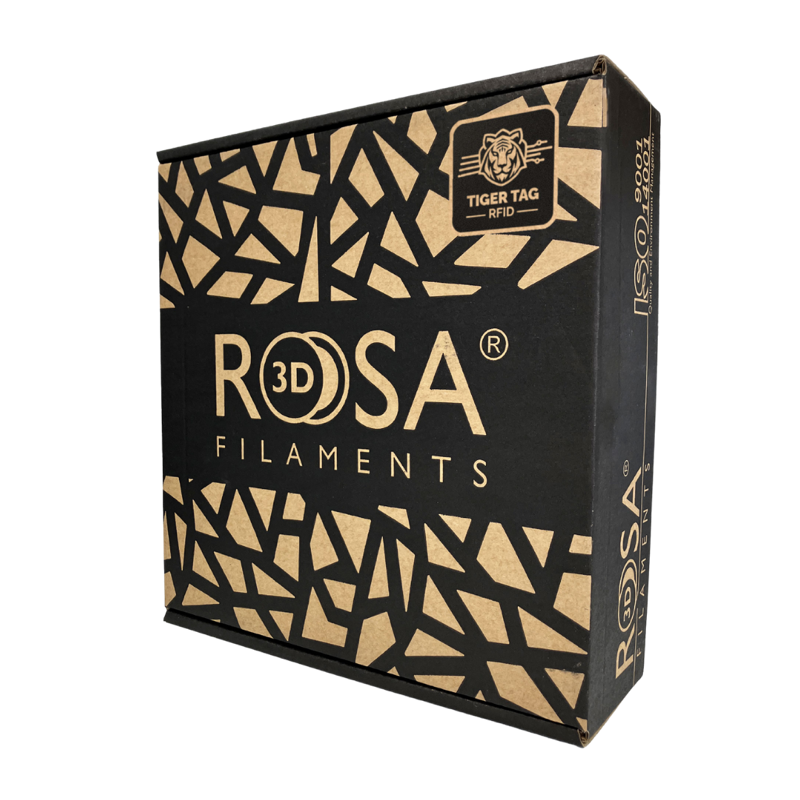
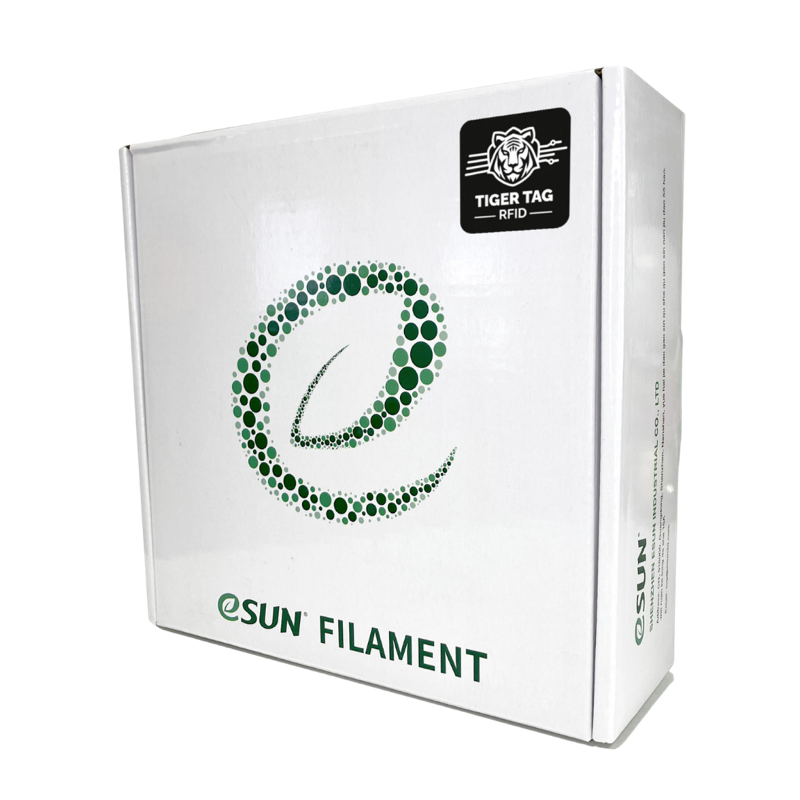
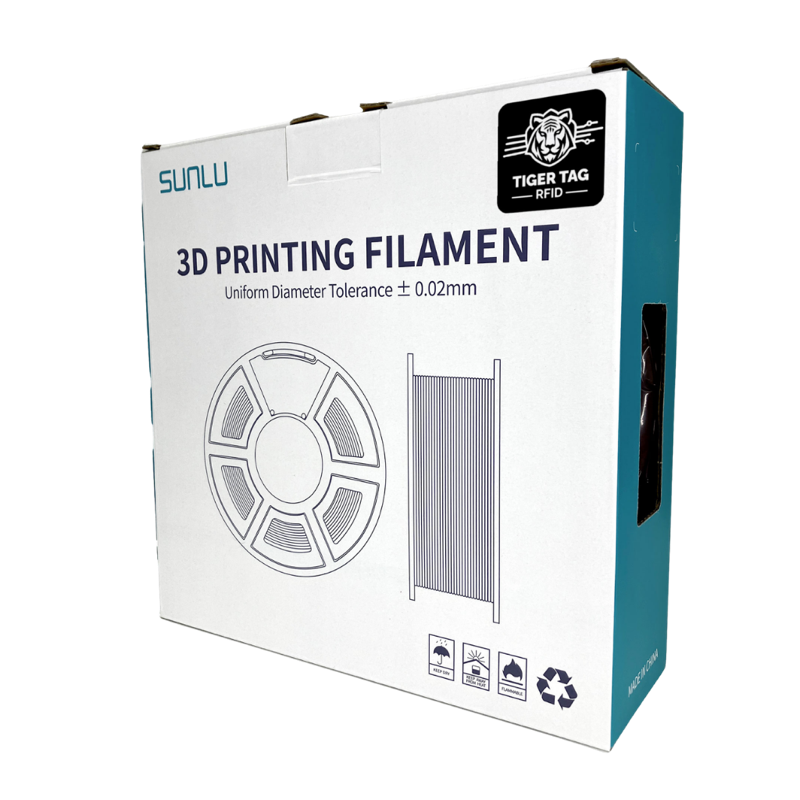
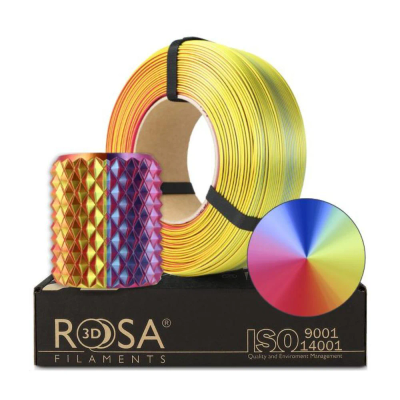
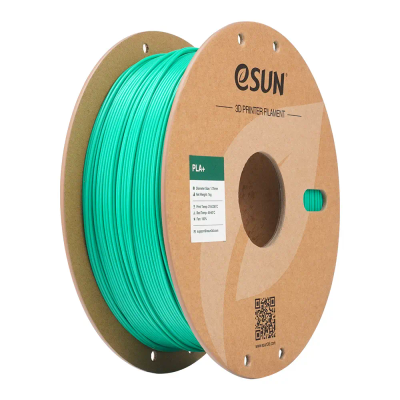
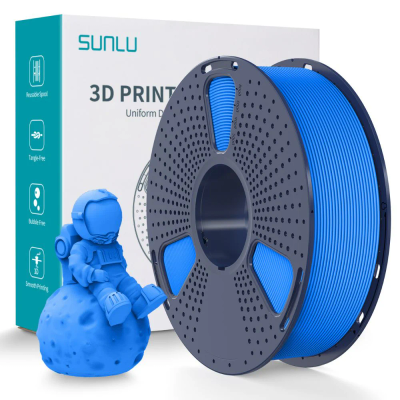
More than 2.5 million TigerTag chips have been produced — most integrated at the factory by filament brands (Rosa3D, eSun, Sunlu, Landu, Jamg He, R3D — with Filforme, Nanovia and more being integrated). All of them are certified partners; that page is the registry, and the only authoritative way to check that a mark on a box is legitimate.
 |
 |
 |
 |
 |
 |
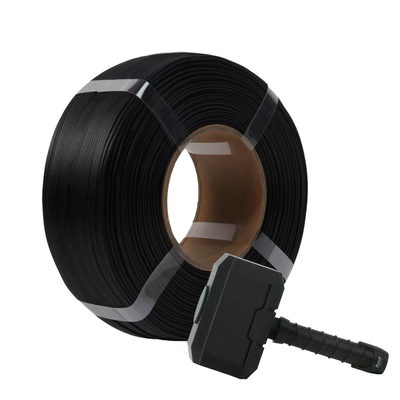 |
The boxes and the spools inside them — bought in a shop, not staged for a photo. This is what “most deployed” looks like. But the protocol is deliberately not tied to official chips: any cheap, blank NTAG chip bought anywhere (Amazon, AliExpress, locally) works identically, and nothing blocks it. Branded chips help support the R&D; adoption of the protocol is the first reward. Other ways to help — including the ones that cost nothing — are on Support the project.
The freedom runs both ways: chips are never write-locked. TigerTag is simply the base protocol filament factories ship spools with — if you prefer another NFC/RFID protocol (custom or existing), you can rewrite the chip and migrate its data to it. Your spool, your chip, your format.
Where to buy them
Section titled “Where to buy them”Both form factors ship blank, and both are sold by TigerSystem and by its resellers:
| Sticker | Refill carrier | |
|---|---|---|
| What you get | round 25 mm adhesive chips — two per spool, one on each side | one carrier = two chips already paired, one per folded end, for the cardboard core |
| For | any spool with flanges | filament refills mounted on a masterspool |
| Official shop | tigertag.io | tigertag.io |
| Reseller (FR) | TigerTag Officiel, Atome3D | TigerTag Refill Officiel, Atome3D |
Both come in several pack sizes, up to professional quantities. And none of it is required: any blank NTAG chip bought anywhere works identically — buying official ones funds the protocol, nothing more.
- Official chips: tigertag.io (shop — supports the R&D)
- Chip format: TigerTag-RFID-Guide
Related: Universal filament identity, Second Life